

Window Replacement
Add a review FollowOverview
-
Founded Date December 1, 1968
-
Sectors Health Care
-
Posted Jobs 0
-
Viewed 70
Company Description
5 Killer Quora Answers On Window Restoration
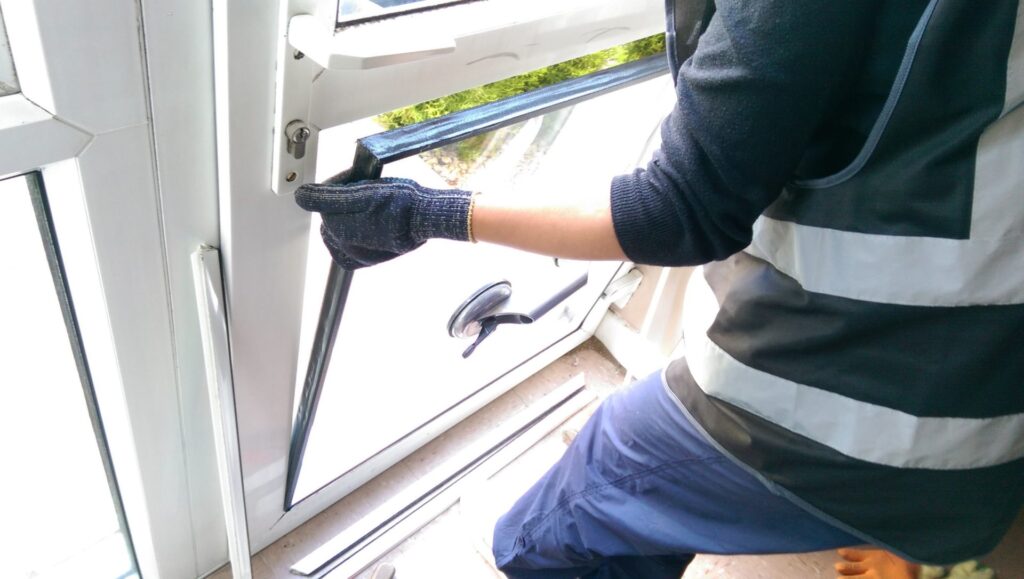
Window Restoration: Reviving the Charm and Functionality of Historic Windows
Window restoration is an art that integrates workmanship, historic understanding, and modern methods to revive old windows. Typically found in historical homes and structures, the restoration procedure not just preserves the architectural integrity of these structures however also improves their energy efficiency. With lots of house owners looking for sustainable options, window restoration is becoming a significantly popular choice over replacement. This short article digs into what window restoration involves, its advantages, and the typical methods included.
Comprehending Window Restoration
Window restoration refers to the process of repairing and restoring the initial condition of windows, particularly in historical structures. It identifies itself from window replacement, where entire window units are eliminated and changed with brand-new ones. Rather, restoration preserves the initial materials and design while repairing issues such as rot, drafts, and broken glass.
Secret Phases of Window Restoration
-
Evaluation: The initial step involves an extensive examination of the windows’ condition. This includes monitoring for rot, decay, and structural stability.
-
Disassembly: For effective restoration, windows might need to be dismantled. This enables for a detailed inspection and much easier access to all parts.
-
Repairing Components: This phase focuses on repairing or replacing damaged parts, including sills, frames, sashes, and glass panes.
-
Reassembly: After repairs, the window components are reassembled, ensuring they work as originally developed.
-
Ending up Touches: Finally, the windows are painted or stained to match the historic aesthetic of the structure.
Benefits of Window Restoration
-
Preservation of Historical Value: Restoring windows keeps the initial character of a structure, maintaining its historic significance and aesthetic appeal.
-
Energy Efficiency: Modern weatherstripping, caulking, and glazing methods can substantially improve energy effectiveness without compromising the original design.
-
Cost-Effectiveness: Restoration can be cheaper than complete window replacement and can increase the worth of the home.
-
Environmental Impact: By picking restoration over replacement, property owners can reduce waste and the demand for new materials, resulting in a more sustainable method.
Typical Techniques in Window Restoration
| Strategy | Description |
|---|---|
| Sash Repair | Fixing the movable parts of double-hung windows. |
| Glazing | Replacing old putty and reglazing glass for better insulation. |
| Weatherstripping | Installing or upgrading weatherstripping to lower air leakages. |
| Rot Repair | Utilizing epoxy or replacement methods for rotted wood. |
| Painting/Staining | Bring back the initial surface or applying brand-new protective finishes. |
Tools and Materials Needed for Window Restoration
The tools and products needed for window restoration may differ depending on the specific nature of the job, but typical products include:

- Toolbox: A standard toolkit with essential hand tools like hammers, chisels, and screwdrivers.
- Rot Repair Epoxy: For fixing decomposed wood components.
- Putty Knives: For applying glazing putty.
- Paint and Primer: Suitable for outside usage to safeguard versus aspects.
- Weatherstripping Material: Various types readily available based on window design and condition.
- Glass Cutter: If replacing any glass panes is essential.
Maintenance After Restoration
After successfully bring back windows, continuous maintenance is vital to ensure their longevity. Here are some maintenance tips:
- Regular Inspections: Check for indications of rot, wear, or damage every six months.
- Appropriate Cleaning: Use moderate cleansing options to prevent destructive glazing or frames.
- Repaint or Restain As Needed: Protect the wood from ecological damage by maintaining finishes and applying brand-new layers when the old ones start to fade.
Frequently Asked Questions About Window Restoration
1. How do I understand if my windows require restoration?
Common signs consist of trouble opening and closing, visible rot or decay, drafts, and insufficient insulation.
2. Can I bring back windows myself?
While some property owners effectively restore their windows, the intricacy of certain repairs typically requires the skills of a professional, especially for historic buildings where maintaining stability is vital.
3. For how long does the restoration process take?
The timeframe can differ based on the number of windows and their condition. Normally, it might take a couple of days to a number of weeks to finish the restoration effectively.
4. Is window restoration costly?
While the cost can differ widely, it tends to be less than a full window replacement. Aspects affecting cost consist of the level of repairs and the materials used.
5. Will restored windows be as energy-efficient as new ones?
With contemporary strategies, restored windows can attain equivalent energy effectiveness to new ones, particularly when integrated with weatherstripping and proper glazing methods.
Window restoration acts as an essential procedure not only for preserving the historic appeal of buildings but also for improving their energy effectiveness. By protecting initial products and craftsmanship, property owners can take pleasure in functional and visually pleasing windows that inform a story of their own. Whether selecting a DIY technique or employing specialists, understanding the subtleties of window restoration can result in fruitful and sustainable results, keeping history alive for generations to come.