Window In Door
Add a review FollowOverview
-
Founded Date June 4, 1940
-
Sectors Accounting
-
Posted Jobs 0
-
Viewed 104
Company Description
See What Glass Window Door Tricks The Celebs Are Utilizing
The Art and Science of Glass Window Doors: A Comprehensive Guide
Glass window doors, typically described as French doors or sliding glass doors, have become a staple in modern-day architecture and interior design. These versatile and classy components not only use a smooth shift in between indoor and outdoor areas but likewise enhance the aesthetic appeal and functionality of a home. This post digs into the numerous aspects of glass window doors, from their benefits and types to their installation and upkeep.
Intro to Glass Window Doors
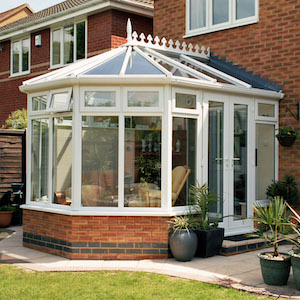
Glass window doors are door units that feature big panes of glass, allowing natural light to stream easily into a room. They are typically utilized in locations like outdoor patios, balconies, and living rooms, where the goal is to develop an open and welcoming environment. These doors are available in a variety of designs, products, and styles, making them ideal for both modern and standard settings.
Benefits of Glass Window Doors
- Natural Light: One of the most substantial advantages of glass window doors is the amount of natural light they allow into a space. This can make spaces feel brighter, more large, and more connected to the outdoors.
- Visual Appeal: Glass doors can improve the beauty of a home, including a touch of sophistication and elegance. They are readily available in various designs, from minimalist and modern to ornate and conventional, making it simple to find a style that matches any decoration.
- Increased Ventilation: Many glass window doors come with the option to open, allowing for increased air flow. This can be especially helpful in warmer climates or for homes that focus on energy effectiveness.
- Energy Efficiency: With advancements in glass technology, many modern-day glass window doors are developed to be energy-efficient. Functions such as double glazing and low-E (low-emissivity) coverings can help control indoor temperature levels and minimize energy expenses.
- Security: High-quality glass window doors feature robust security functions, such as multi-point locking systems and enhanced frames, making sure that they are both aesthetically pleasing and secure.
Kinds Of Glass Window Doors
- French Doors: These are hinged doors that typically open outward and are understood for their traditional and elegant style. They are frequently utilized in formal settings and can be customized with numerous glass patterns and hardware.
- Sliding Glass Doors: Also understood as patio area doors, these doors slide horizontally along a track, making them ideal for smaller spaces. They are popular in contemporary and contemporary designs and are known for their ease of usage.
- Bi-Fold Doors: These doors include several panels that fold back on themselves, producing a wide opening. They are best for developing a smooth connection between indoor and outside areas and are often utilized in large spaces and open-plan styles.
- Pivot Doors: These doors turn around a central axis, allowing for a dramatic and distinct opening. They are often used in high-end property and business settings, supplying a declaration piece for the home.
- Accordion Doors: Similar to bi-fold doors, accordion doors collapse into a compact stack when opened. They are flexible and can be used in various settings, including sunrooms and garden rooms.
Products and Design Considerations
-
Frame Materials:
- Wood: Offers a natural and warm appearance, suitable for traditional and rustic styles. Nevertheless, wood needs routine maintenance to avoid warping and rot.
- Aluminum: Lightweight, durable, and low-maintenance. It is a popular option for modern-day designs and is typically utilized for sliding and bi-fold doors.
- Vinyl: Affordable and low-maintenance, vinyl frames resist moisture and do not need painting. They are perfect for coastal and damp environments.
- Steel: Provides excellent security and sturdiness. It is typically utilized in business settings but can likewise be a good choice for homes that focus on strength and safety.
-
Glass Types:
- Annealed Glass: Standard glass that is less pricey however can shatter into big, sharp pieces.
- Tempered Glass: Is 4 times more powerful than annealed glass and burglarize little, blunt pieces, making it safer and more resilient.
- Laminated Glass: Comprises two or more layers of glass bonded together with a plastic interlayer. It is highly resistant to impact and can also obstruct UV rays and decrease noise.
- Low-E Glass: Features an unique covering that lowers heat transfer, making it energy-efficient and perfect for colder environments.
-
Design Customization:
- Glass Patterns: Choose from a variety of patterns, such as clear, frosted, or engraved, to suit your privacy needs and aesthetic choices.
- Hardware: Select hardware that complements the design of your door, whether it’s modern-day, minimalist, or traditional.
- Color and Finish: Frames can be painted or stained to match the existing design of your home.
Setup Process
- Step the Opening: Accurate measurements are essential to make sure the door fits perfectly. Step the height, width, and depth of the entrance.
- Prepare the Opening: Remove any old doors or frames and guarantee the opening is tidy and level.
- Set up the Frame: Depending on the type of door, the frame may require to be anchored to the floor, walls, or ceiling. Follow the producer’s instructions thoroughly.
- Set Up the Glass Panels: Carefully position the glass panels into the frame, guaranteeing they are lined up and safe.
- Install Hardware: Attach the manages, locks, and hinges. Test the door to guarantee it operates smoothly and securely.
- Seal the Edges: Apply weather removing or caulking around the edges of the door to prevent air leaks and water damage.
- Last Touches: Install any additional accessories, such as screens or blinds, and clean the glass to get rid of any dirt or debris.
Upkeep and Care
- Cleaning up:
- Regular Wiping: Use a microfiber fabric or sponge to wipe down the glass and frame regularly to get rid of dust and finger prints.
- Deep Cleaning: For tougher discolorations, use a solution of moderate soap and water. Avoid abrasive cleaners that can scratch or damage the glass.
- Lubrication:
- Sliding Doors: Apply silicone lubricant to the tracks to guarantee smooth operation. Clean the tracks frequently to remove debris.
- Check and Repair:
- Seals and Gaskets: Check the seals and gaskets for wear and tear. Replace them if essential to avoid air leakages and water damage.
- Hardware: Inspect the hardware frequently and tighten up any loose screws. Replace harmed or worn-out parts.
- Winter season Care:
- Insulation: In colder months, consider adding weather stripping or door sweeps to enhance insulation and prevent drafts.
- Condensation: If condensation types on the glass, wipe it away to avoid water damage and mold development.
Frequently asked questions
Q: Are glass window doors protect?A: Yes, modern glass window doors feature innovative security functions such as multi-point locking systems, enhanced frames, and tempered or laminated glass, which are highly resistant to break-ins.
Q: How often should glass window doors be cleaned?A: For best results, tidy glass window doors at least as soon as a week to eliminate dust and finger prints. Deep cleaning needs to be done every couple of months to attend to tougher discolorations and maintain the door’s appearance.
Q: Can glass window doors be tailored?A: Absolutely! Glass window doors can be personalized with numerous frame materials, glass types, patterns, and hardware to match your specific requirements and visual preferences.
Q: Are glass window doors energy-efficient?A: Yes, many contemporary glass window doors are developed to be energy-efficient with functions like double glazing, low-E coatings, and insulated frames. These features help control indoor temperature levels and minimize energy costs.
Q: How do I select the ideal type of glass window door for my home?A: Consider the style of your home, the size of the opening, and your functional requirements. For instance, if you have a little space, a sliding glass door might be more appropriate. If you desire a significant opening, a pivot or bi-fold door might be the finest choice.
Q: What is the typical expense of glass window doors?A: The expense of glass window doors differs depending on the type, size, materials, and customization alternatives. On average, you can expect to pay in between ₤ 500 and ₤ 2,000 for a standard sliding glass door, and as much as ₤ 10,000 for more luxurious and customized options like pivot doors.
Glass window doors are more than simply a practical aspect of a home; they are a style statement that can change both the appearance and functionality of a space. Whether you are seeking to cheer up a space, increase ventilation, or produce a seamless connection with the outdoors, the best glass window door can make all the difference. By thinking about the different types, materials, and style alternatives readily available, you can discover the ideal door to satisfy your needs and improve your living environment.
Extra Resources
- Regional Hardware Stores: Visit your local hardware shop to see a variety of glass window door alternatives and get professional suggestions.
- Online Retailers: Explore online sellers for a wider selection of designs and custom-made alternatives.
- Expert Installers: Consider employing an expert installer to guarantee your new door is set up properly and securely.
By following this detailed guide, you can make a notified choice about the best glass window door for your home and enjoy the many benefits it needs to offer.