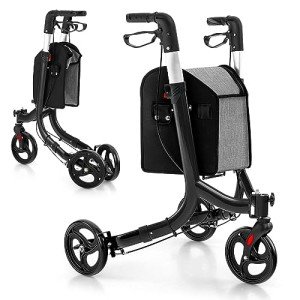
Top Rated Rollator
Add a review FollowOverview
-
Founded Date November 23, 1937
-
Sectors Education
-
Posted Jobs 0
-
Viewed 62
Company Description
10 Undeniable Reasons People Hate Indoor Walker
The Rise of Indoor Walkers: A Comprehensive Guide
Indoor walkers have actually become a popular option for individuals looking for to maintain an active lifestyle within the boundaries of their homes. These versatile machines deal with a varied audience, from fitness lovers to those recovering from injuries. This short article will look into the basics of indoor walkers, their benefits, types, and some considerations to keep in mind before purchasing one.
What is an Indoor Walker?
An indoor walker is a physical fitness maker developed to mimic walking without the requirement for outdoor space. Unlike traditional treadmills, which mostly concentrate on running and jogging, indoor walkers emphasize a natural walking motion. They are equipped with functions that promote stability, support, and convenience, making them appropriate for a vast array of users.
Why Choose an Indoor Walker?
Indoor walkers featured a myriad of benefits that interest users of all ages and physical fitness levels. A few of the primary benefits consist of:
- Convenience: They can be used anytime, no matter weather condition conditions or time, making it simpler to fit workout into a hectic schedule.
- Low Impact: Indoor walkers are created to reduce strain on joints, making them an outstanding choice for those Ultralite Folding Rollator with Seat – Mobility Made Easy mobility problems or joint issues.
- Space-Efficient: Many models are compact and simple to store, fitting into studio apartments or homes with limited space.
- Variety of Workouts: With adjustable speeds and strength levels, users can customize their workouts to their physical fitness objectives.
Kinds Of Indoor Walkers
Indoor walkers been available in various designs, each accommodating various user needs. Here are a few of the most typical types:
| Type | Description | Perfect For |
|---|---|---|
| Manual Walkers | Run by the user, moving the limbs in a walking movement. | Beginners seeking an easy, economical option. |
| Motorized Walkers | Equipped with a motor to control speed and slope settings. | Those desiring a more flexible exercise experience. |
| Under-desk Walkers | Compact devices that fit under desks, promoting walking while working. | Individuals working from home aiming to stay active. |
| Recumbent Walkers | Enable users to walk in a seated position, decreasing tension on the body. | Older grownups or those with mobility obstacles. |
Key Features to Consider
When choosing the ideal indoor Lightweight Tri Walker Rollator: Easy Mobility & Comfort, a number of features can impact the total workout experience. Here are some vital factors to consider:
- Size and Portability: Ensure it fits your designated workout location and is easily movable if required.
- Weight Capacity: Check the maximum weight limit to guarantee safety throughout workouts.
- Adjustable Settings: Look for makers that offer adjustable speed and incline settings to personalize your workouts.
- User-Friendly Display: Choose an indoor walker with an easy-to-read display screen that tracks time, range, calories burned, and speed.
- Convenience Features: Consider cushioned deals with, adjustable height, and a sturdy base for improved stability and comfort.
Health Benefits of Indoor Walking
Participating in routine indoor walking can yield numerous health benefits:
- Enhanced Cardiovascular Health: Walking increases heart rate and enhances blood flow, reducing the threat of heart problem.
- Weight Management: Regular walking, combined with a balanced diet plan, aids in weight control and can contribute to weight loss.
- Enhanced Mood: Physical activity releases endorphins, which can help in reducing feelings of stress and anxiety and anxiety.
- Reinforced Muscles: Indoor walking reinforces the leg muscles and enhances overall body coordination and balance.
Setting Up a Walking Routine
To maximize the benefits of indoor walking, it’s necessary to establish a consistent regimen. Here are some ideas to get begun:
- Create a Schedule: Dedicate particular times throughout the week for walking. Objective for a minimum of 150 minutes of moderate aerobic activity weekly.
- Heat up and Cool Down: Always begin with a 5-minute warm-up to prepare your body and surface with a cool-down to help healing.
- Listen to Your Body: Pay attention to how you’re feeling. If you experience pain or discomfort, stop and assess your body’s requirements.
Regularly Asked Questions (FAQs)
Q: How much space do I need for an indoor walker?A: Most indoor walkers are compact and require a little footprint. It’s recommended to have at least 6 to 8 square feet available for a safe exercise area. Q: Can indoor walkers be used by olderadults?A: Yes, indoor walkers are excellent for older grownups as they supply low-impact exercise while promoting stability and mobility. Q: Do I need a fitness center subscription if I have an indoor walker?A: No, having an indoor walker enables you to engage in cardio workouts at home, negating the need for ergonomic Rollator a fitness center subscription for walking workouts. Q: How do I keep my indoor Foldable Walker?A: Regularly look for loose screws, clean the machine after use, and follow the maker’s guidelines for specific maintenance schedules. Q: Are indoor walkers suitable Rollator For Seniors rehabilitation?A: Yes, lots of indoor walkers are created to support rehabilitation, particularly for patients recovering from surgical treatment or injury. Constantly speak with a health care professional before starting a new workout program. Indoor walkers offer a practical and efficient method to incorporate exercise into every day life. With their numerous health benefits, easy to use designs, and versatility, they are an outstanding financial investment for anyone wanting to enhance their
fitness levels in the convenience of their home. By comprehending the various kinds of indoor walkers, key features to consider, and the health advantages of walking, individuals can make educated choices that line up with their fitness objectives. With commitment and the right devices, remaining active has actually never been much easier.