Soffits
Add a review FollowOverview
-
Founded Date April 22, 1932
-
Sectors Restaurant
-
Posted Jobs 0
-
Viewed 43
Company Description
Guide To Soffit Repair: The Intermediate Guide On Soffit Repair
Comprehensive Guide to Soffit Repair: Understanding, Identifying, and Fixing Issues
Soffits are crucial structural parts of any structure, primarily serving to enhance ventilation and secure vulnerable areas like roofing system eaves from water damage and pests. Nevertheless, exposure to the elements makes soffits prone to wear and tear over time. Identifying indications of damage and acting promptly can conserve house owners considerable headache and expense. This post supplies an extensive take a look at soffit repair– its significance, typical problems, identification approaches, and repair strategies.
What is Soffit?
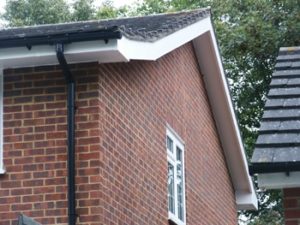
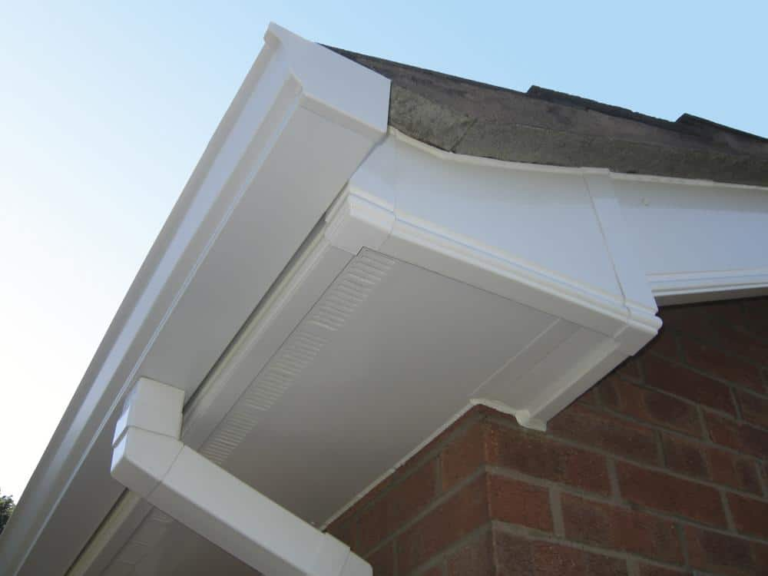
Before diving into repair techniques, it’s important to understand the function of soffits. Soffits are the panels that cover the underside of roof overhangs and eaves. They can be constructed from numerous materials, consisting of wood, aluminum, and vinyl. Properly installed soffits are integral to keeping air circulation in the attic, assisting to regulate temperature and decrease moisture accumulation that can cause mold and rot.
Benefits of a Well-Maintained Soffit
- Ventilation: Helps preserve a balanced air blood circulation, lengthening the life of your roof materials.
- Aesthetics: Enhances the general look of your home by providing an ended up look.
- Insect Prevention: Protects the attic and roof structure from bugs that can cause damage.
- Water Damage Minimization: Prevents water invasion, consequently protecting the internal structure of the home.
Common Soffit Issues
Understanding the possible problems associated with soffits can empower homeowners to take pre-emptive steps. Here are some typical soffit problems:
| Issue | Description |
|---|---|
| Rotted Wood | Caused by extended exposure to wetness, resulting in structural weakness. |
| Fractures and Holes | Can be the result of pest invasion or aging materials. |
| Staining | Typically suggests mold or mildew growth, possibly originating from poor ventilation. |
| Loose or Detached Panels | May happen due to inappropriate installation or severe weather condition conditions. |
| Paint Peeling or Bubbling | An indication of wetness issues or insufficient ventilation impacting the paint. |
Identifying Soffit Problems
Acknowledging the indications of soffit problems early is advantageous for efficient repairs. House owners should keep an eye out for specific indications:
- Inspect Regularly: Check the soffit under the eaves, especially after heavy rain or snow.
- Search for Mold and Mildew: Discoloration and musty odors can represent water damage.
- Look For Peeling Paint: Indicates moisture issues or bad application of finishes.
- Listen for Unusual Sounds: Rustling sounds could recommend pest issues behind the panels.
- Consider External Signs: Loose shingles or missing sections of the roofing may impact the soffit’s efficiency.
How to Inspect Soffits
To inspect soffits efficiently, homeowners should follow these steps:
- Use a Ladder: Ensure safety when reaching check high locations.
- Bring Flashlight: Illuminate dark locations for an extensive assessment.
- Bring Tools: A screwdriver can assist inspect the integrity of fastening screws.
DIY Soffit Repair Methods
For minor damages, homeowners can often perform soffit repairs themselves. Here’s how to resolve common soffit problems:
1. Fixing Rotted Wood
- Remove Damaged Area: Use a chisel to remove decomposed sections.
- Fill with Epoxy: Apply wood epoxy to fill out the gaps.
- Sand and Paint: Once treated, sand the surface and repaint for a completed appearance.
2. Repairing Cracks and Holes
- Clean the Area: Ensure no dirt or particles exists before repairing.
- Usage Caulk: Apply exterior-grade caulk in cracks and let it treat.
- Replacement Panels: For bigger holes, cut and change with new panels.
3. Tightening Up Loose Panels
- Use Screws: Check the fasteners and tighten any loose screws.
- Replacing Fasteners: Replace rusted screws with stainless steel ones to ensure toughness.
4. Dealing with Discoloration
- Tidy with Mild Detergent: Power wash or scrub with a brush to eliminate mold or mildew.
- Improving Ventilation: Ensure that vents are not blocked to avoid moisture accumulation.
When to Call a Professional
While DIY repairs can be effective for minor concerns, some situations call for a professional’s knowledge. House owners should consider hiring a contractor when:
- Extensive rot or structural damage appears.
- Several soffit panels need replacement or repair.
- Insulation issues arise from bad ventilation.
- Security issues avoid appropriate evaluation or repair.
Expense of Soffit Repair
The cost of soffit repair can differ commonly based on a number of elements, consisting of damage extent and product choice. Here’s a basic cost range for typical soffit repair jobs:
| Task | Estimated Cost |
|---|---|
| Small wood rot spot repair | ₤ 50 – ₤ 150 |
| Caulking and sealing | ₤ 100 – ₤ 200 |
| Panel replacement | ₤ 200 – ₤ 1,500 |
| Professional examinations | ₤ 100 – ₤ 300 |
Soffit repair is an essential element of preserving a healthy home. Routine examinations and timely repairs can avoid expensive damage and extend the life-span of roofing structures. Comprehending the indications of damage, knowing how to address minor concerns, and acknowledging when to seek professional aid are essential skills for every single homeowner. Maintenance of soffits not only improves the home’s looks and ventilation but likewise contributes significantly to its general value.
Frequently asked questions
-
How frequently should soffits be examined?Ideally, soffits need to be checked a minimum of twice a year, especially after significant weather events.
-
What are soffits made of?Soffits can be made from different materials, consisting of wood, vinyl, aluminum, and fiber cement, each with unique benefits.
-
How can I prevent soffit damage?Keep correct ventilation, promptly address leakages, and ensure regular assessments to keep soffits in great condition.
-
Are there particular tools required for soffit repair?Basic tools like a ladder, caulking gun, screwdriver, and security eyewear are normally enough for most repairs. For larger projects, consider a power washer or more customized tools.
-
What could happen if I disregard soffit repairs?Ignoring soffit damage can lead to increased pest problems, water damage, mold growth, and greater repair costs in the long run.
By comprehending and addressing soffit concerns proactively, homeowners can guarantee their property stays safe, effective, and attractive for years to come.