

In Built Ovens
Add a review FollowOverview
-
Founded Date September 9, 1986
-
Sectors Restaurant
-
Posted Jobs 0
-
Viewed 5
Company Description
The Most Common Mistakes People Do With Built-In Cookers
The Rise of Built-In Cookers: A Comprehensive Guide
In the last few years, built-in cookers have gained substantial popularity amongst house owners and cooking lovers alike. These appliances perfectly incorporate into kitchen styles, using a mix of functionality and aesthetic appeals. As innovation continues to evolve within the kitchen device sector, built-in cookers have actually changed from mere benefits into important tools for contemporary cooking. This short article looks into numerous aspects of built-in cookers, including their types, benefits, installation factors to consider, and upkeep pointers.
What are Built-In Cookers?
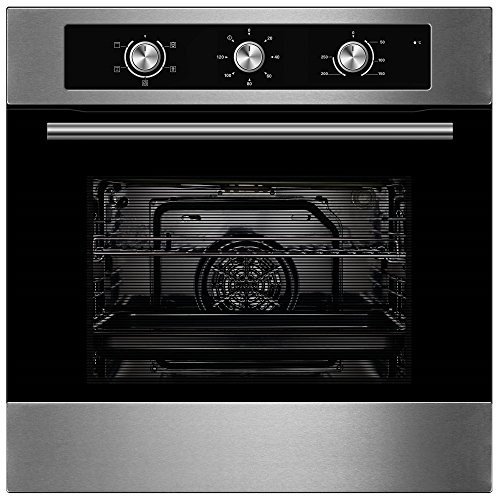
Built-in cookers are kitchen appliances intentionally designed to be Integrated Oven Electric into cabinetry or counter tops. Unlike freestanding systems that inhabit standalone area, built-in cookers boost the kitchen’s general style by providing a smooth look. They are frequently part of a collaborated set that might consist of ovens, microwaves, and stovetops.
Types of Built-In Cookers
Built-in cookers come in numerous forms, each dealing with particular cooking designs and choices. The following table outlines typical kinds of built-in cookers:
| Type | Description | Benefits |
|---|---|---|
| Built-In Ovens | Wall-mounted or integrated ovens that conserve floor space. | Save area; simple gain access to; aesthetic appeal. |
| Built-In Cooktops | Stovetop units set up straight into the countertop. | Versatile style options; readily available in gas, electric, or induction. |
| Microwaves | Built-in microwaves integrate into cabinetry for a structured appearance. | Saves counter top area; contemporary design. |
| Mix Ovens | Ovens that combine traditional and microwave cooking features. | Versatility; quicker cooking times. |
| Steam Ovens | Usage steam for cooking, preserving nutrients and tastes. | Much healthier cooking; perfect for veggies and fish. |
Benefits of Built-In Cookers
Purchasing built-in cookers offers many advantages that appeal to both functionality and style. Below are a few of the essential advantages:
1. Area Efficiency
Built-in cookers make the most of offered area, making them perfect for smaller kitchen areas. They provide a streamlined look without compromising cooking capabilities.
2. Style Integration
These appliances blend perfectly into kitchen cabinets, improving the total visual. House owners have various design choices, allowing them to create a cohesive kitchen look.
3. Improved Accessibility
Built-in ovens positioned at eye level get rid of the need to flex down to examine food, making cooking a more available experience for everyone, consisting of those with movement challenges.
4. Versatile Cooking Options
With many designs and functionalities, built-in cookers allow varied cooking methods. Home cooks can select appliances that best suit their culinary choices.
5. Increased Home Value
Trendy built-in cookers can improve the home’s overall worth, especially in competitive realty markets. Purchasers typically choose fully equipped kitchens.
Setup Considerations
While built-in cookers offer lots of advantages, their installation requires mindful preparation. Here are vital elements to consider:
- Space Measurement: Before purchasing any built-in cooker, it’s important to measure the intended area properly. Appliances require to fit seamlessly within existing cabinetry, leaving adequate ventilation space.
- Electrical Energy and Gas Supply: For built-in electrical cookers, guarantee that sufficient electric wiring is available. Gas cookers need proper gas line setup.
- Expert Installation: Due to their complexity, built-in cookers frequently need professional installation. Hiring a specialist guarantees security and appropriate operation.
- Maintenance Access: Consider how the cooker will be accessed for cleansing and maintenance. Accessibility must stay a top priority throughout installation.
- Compatibility with Other Appliances: Ensure that brand-new built-in cookers are compatible with existing kitchen appliances for a cohesive style.
Maintenance Tips for Built-In Cookers
Keeping built-in cookers in top condition improves their performance and longevity. Here are some maintenance pointers:
- Routine Cleaning: Regularly clean the oven and cooktop surfaces to avoid buildup of grease and gunk. Utilize non-abrasive cleaners ideal for the home appliance material.
- Inspect Connections: Regularly examine gas lines and electrical connections for security. Immediately deal with any indications of wear or damage.
- Replace Filters: Many built-in ovens and microwaves consist of filters that require replacement. Follow the manufacturer’s guidelines for altering these components.
- Calibration: Over time, built-in ovens might require recalibration to guarantee accurate temperature settings. Seek advice from the user handbook for guidelines on how to recalibrate.
- Professional Service: Schedule professional maintenance checks regularly to guarantee that all parts function optimally.
Built-in cookers represent a significant development in kitchen design and functionality. Their seamless combination into cabinets not just boosts the aesthetic appeal of a kitchen however likewise improves performance and usability. By understanding the various types of built-in cookers, their benefits, and considerations for installation and upkeep, property owners can make educated options that elevate their cooking experience.
Regularly Asked Questions (FAQs)
1. Are built-in cookers more pricey than freestanding models?
While built-in cookers might have a higher preliminary expense, they typically offer enhanced installation looks and greater functionality, making them a worthwhile investment for many house owners.
2. Can I install a built-in cooker myself?
Though some homeowners choose to install built-in cookers themselves, it is frequently recommended to work with a professional due to the intricacies included, especially with gas lines and electric electrical wiring.
3. How do I select the ideal built-in cooker for my kitchen?
Consider your cooking habits, kitchen style, and space limitations when choosing built-in cookers. It’s likewise essential to evaluate the power source and preferred functionalities.
4. What is the lifespan of a built-in cooker?
With proper maintenance, built-in cookers, particularly ovens, can last many years– typically varying from 10 to 20 years, depending upon the brand name and use.
5. Are built-in cookers energy-efficient?
Lots of modern-day built-in cookers include energy-efficient innovations, such as convection cooking and wise functions, which can help decrease energy intake.
Built-in cookers use a sophisticated solution to modern cooking needs while improving the kitchen’s overall esthetic. As culinary patterns continue to develop, these appliances will likely remain an integral part of kitchen designs for many years to come.