

French Door Repair Parts
Add a review FollowOverview
-
Founded Date June 19, 1944
-
Sectors Education
-
Posted Jobs 0
-
Viewed 42
Company Description
The Reasons To Focus On Improving French Door Frame
The Comprehensive Guide to French Door Frames
French doors have actually long been a favored architectural function in homes around the globe, commemorated for their stylish style and capability to link indoor and outside areas. The frame of a French door is essential to its aesthetic appeal and performance. This short article digs into the numerous components, advantages, designs, and installation elements of French door frames, providing readers with an extensive understanding of this important aspect in home design.
Comprehending French Door Frames
What Are French Doors?
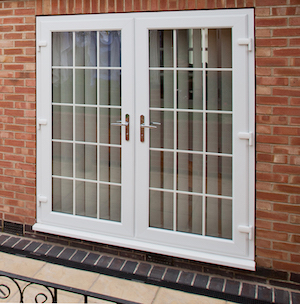
French doors are generally defined by their large glass panels, which enable adequate natural light and provide an unobstructed view of the outdoors. Unlike standard doors, French doors are typically set up in pairs, swinging available to virtually double the entryway. The frames of these doors are crucial, as they need to not only support the weight of the doors themselves but likewise boost the total look and use.
Components of French Door Frames
The main parts of a French door frame usually consist of:
- Main Frame: The durable structure that houses the glass panels and offers assistance.
- Door Panels: The two separate doors that open outwards or inwards.
- Glass Inserts: The panes that can be either clear, frosted, or patterned glass.
- Sidelights: Vertical panels of glass that flank the door frame, improving the total look and light entry.
- Transom: An upper window mounted above the doors, frequently used to enable additional light into the area.
- Hardware: Includes hinges, handles, deadbolts, and locks to guarantee security and performance.
Benefits of French Door Frames
French door frames use a wide range of advantages, making them a desirable option for property owners:
- Aesthetic Appeal: Their timeless style matches both standard and contemporary architecture.
- Natural Light: The extensive use of glass permits for maximum light penetration, brightening up any space.
- Ventilation: When opened, French doors supply excellent air flow in between rooms or from inside to outside.
- Area Efficiency: With doors that swing open instead of slide, they work well in smaller spaces where traditional doors may not fit.
- Increased Property Value: Well-installed French doors can boost the resale value of a home due to their visual appeal and performance.
Types of French Door Frames
French door frames come in numerous styles and products. Here is a comparative appearance:
| Type | Description | Pros | Cons |
|---|---|---|---|
| Wood | Classic visual, personalized finishes | High insulation, customizable | Needs maintenance, can warp |
| Vinyl | Resilient, low-maintenance synthetic product | Energy-efficient, cost-effective | Minimal color options |
| Fiberglass | Resistant product that imitates the look of wood | Low maintenance, energy-efficient | Can be more expensive |
| Aluminum | Smooth modern frames that offer a minimalistic look | Lightweight, durable, and resistant to rust | Poor insulator compared to wood |
Installing French Door Frames
The installation of French door frames can be an uncomplicated procedure for knowledgeable DIYers, however numerous homeowners choose to hire professionals to make sure appropriate fitting and resilience. However, understanding the fundamentals can empower house owners in making notified decisions.
Actions for Installation
- Measurement: Accurate measurement of the door opening is vital to select the appropriate frame size.
- Preparation: Remove any existing doors and frames carefully, making sure the opening is tidy and level.
- Frame Assembly: If the frame is in several pieces, assemble it according to the manufacturer’s guidelines.
- Placement: Position the frame within the opening, ensuring it is square and level.
- Securing: Use shims to change the frame and secure it in place with screws.
- Hanging Doors: Attach the door panels to the frame using proper hinges.
- Ending up Touches: Apply caulk and paint as required to offer the installation a sleek look.
Frequently Asked Questions
1. Are French doors more energy-efficient than standard doors?
Yes, French doors can be rather energy-efficient, specifically if they are made from insulated materials and have double-glazed glass. Look for Energy Star-rated options for the finest efficiency.
2. How much do French doors cost?
The cost of French doors can differ substantially based upon material, size, and added functions such as grids or custom surfaces. Usually, the rate can range from ₤ 500 to ₤ 2,500, omitting installation.
3. Can I utilize French doors in a little area?
Absolutely! French doors can really improve a smaller area by producing the illusion of more space and allowing natural light to flow, making the area feel brighter and more expansive.
4. How do I preserve my French door frames?
Routine maintenance includes checking for any signs of wear, making sure the hinges are well-lubricated, cleaning the glass to avoid accumulation, and repainting or refinishing wooden frames as required to prevent rot.
5. Can French doors be used as exterior doors?
Yes, French doors are frequently used as exterior doors. Numerous house owners use them as patio doors to connect indoor living areas with outdoor areas.
French Professional door fix frames are more than simply a trendy addition to a home; they are a practical aspect that enhances light, area, and visual appeal. House owners must consider different materials, designs, and installation processes when selecting the right French door frame for their area. By comprehending the advantages and characteristics of these frames, they can make a more informed decision that lines up with their style objectives and practical needs. Incorporating French doors in a home not just raises the aesthetic however also significantly adds to producing a harmonious connection between interior and exterior spaces.