

England Nhs
Add a review FollowOverview
-
Founded Date September 3, 1953
-
Sectors Education
-
Posted Jobs 0
-
Viewed 616
Company Description
NHS: The Family They Never Had
Within the bustling halls of an NHS hospital in Birmingham, a young man named James Stokes carries himself with the measured poise of someone who has found his place. His polished footwear move with deliberate precision as he exchanges pleasantries with colleagues—some by name, others with the familiar currency of a “hello there.”
James wears his NHS lanyard not merely as a security requirement but as a declaration of acceptance. It sits against a well-maintained uniform that gives no indication of the challenging road that brought him here.
What separates James from many of his colleagues is not immediately apparent. His bearing reveals nothing of the fact that he was among the first recruits of the NHS Universal Family Programme—an effort crafted intentionally for young people who have spent time in care.
“The Programme embraced me when I needed it most,” James reflects, his voice steady but revealing subtle passion. His remark captures the heart of a programme that seeks to transform how the massive healthcare system perceives care leavers—those often overlooked young people aged 16-25 who have transitioned from the care system.

The statistics reveal a challenging reality. Care leavers often face higher rates of mental health issues, financial instability, shelter insecurities, and diminished educational achievements compared to their contemporaries. Beneath these clinical numbers are human stories of young people who have traversed a system that, despite good efforts, often falls short in offering the stable base that forms most young lives.
The NHS Universal Family Programme, launched in January 2023 following NHS England’s commitment to the Care Leaver Covenant, embodies a substantial transformation in institutional thinking. At its core, it accepts that the entire state and civil society should function as a “collective parent” for those who haven’t experienced the security of a conventional home.
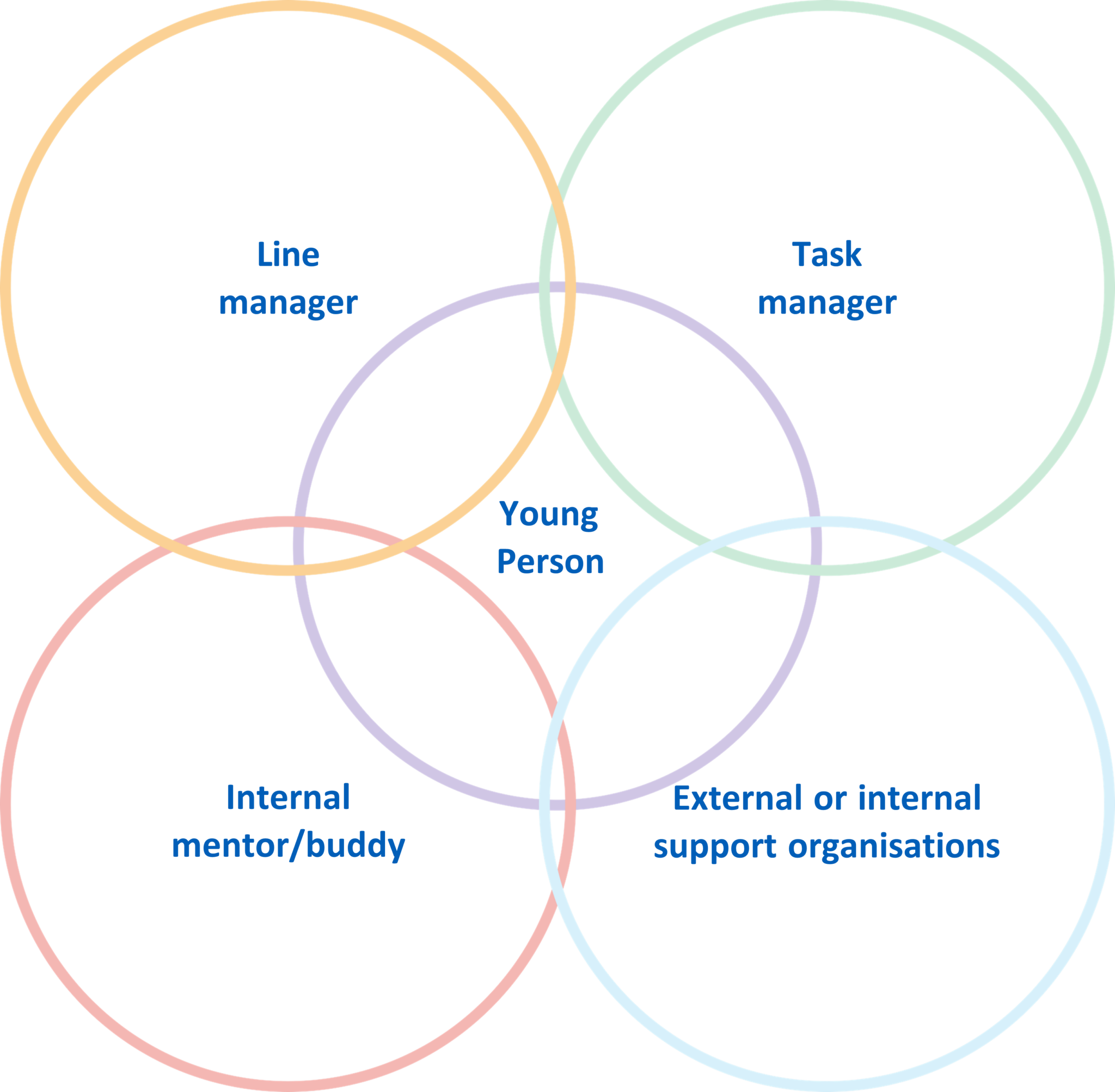
A select group of healthcare regions across England have charted the course, developing systems that reconceptualize how the NHS—one of Europe’s largest employers—can create pathways to care leavers.
The Programme is thorough in its approach, beginning with comprehensive audits of existing practices, forming management frameworks, and garnering executive backing. It acknowledges that effective inclusion requires more than lofty goals—it demands tangible actions.
In NHS Birmingham and Solihull ICB, where James began his journey, they’ve established a reliable information exchange with representatives who can deliver help and direction on wellbeing, HR matters, recruitment, and EDI initiatives.
The standard NHS recruitment process—formal and often daunting—has been intentionally adjusted. Job advertisements now emphasize attitudinal traits rather than numerous requirements. Application processes have been reconsidered to accommodate the unique challenges care leavers might experience—from lacking professional references to having limited internet access.
Possibly most crucially, the Programme understands that entering the workforce can pose particular problems for care leavers who may be managing independent living without the safety net of familial aid. Concerns like travel expenses, proper ID, and banking arrangements—assumed basic by many—can become major obstacles.
The brilliance of the Programme lies in its meticulous consideration—from explaining payslip deductions to providing transportation assistance until that crucial first payday. Even apparently small matters like rest periods and workplace conduct are deliberately addressed.
For James, whose NHS journey has “revolutionized” his life, the Programme delivered more than a job. It gave him a sense of belonging—that elusive quality that develops when someone is appreciated not despite their history but because their particular journey improves the workplace.
“Working for the NHS isn’t just about doctors and nurses,” James observes, his expression revealing the modest fulfillment of someone who has discovered belonging. “It’s about a collective of different jobs and roles, a group of people who genuinely care.”
The NHS Universal Family Programme represents more than an job scheme. It exists as a powerful statement that organizations can evolve to include those who have navigated different paths. In doing so, they not only transform individual lives but enhance their operations through the unique perspectives that care leavers bring to the table.
As James navigates his workplace, his participation silently testifies that with the right assistance, care leavers can thrive in environments once deemed unattainable. The arm that the NHS has extended through this Programme symbolizes not charity but appreciation of untapped potential and the fundamental reality that all people merit a community that believes in them.