

Fascia And Soffit Specialists
Add a review FollowOverview
-
Founded Date June 16, 1999
-
Sectors Sales
-
Posted Jobs 0
-
Viewed 40
Company Description
9 . What Your Parents Taught You About Upvc Fascias
Understanding uPVC Fascias: A Comprehensive Guide
uPVC fascias are a vital component of contemporary roof and outside design, serving both practical and visual purposes. This post dives into what uPVC fascias are, their advantages, installation processes, maintenance, and a comparison with other products.
What are uPVC Fascias?
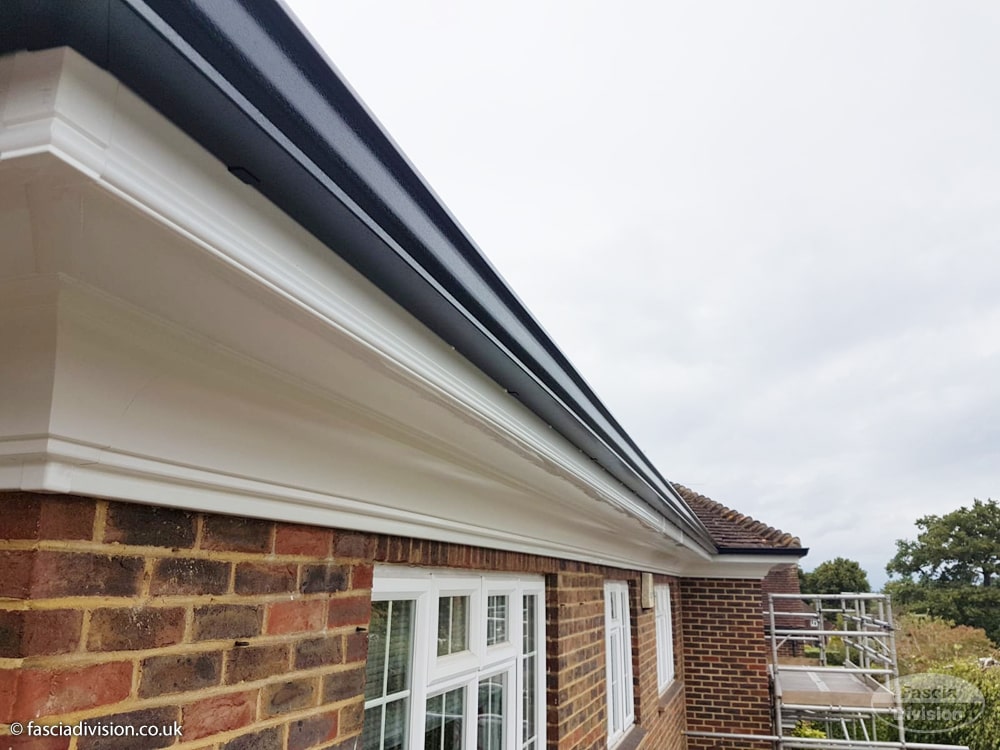
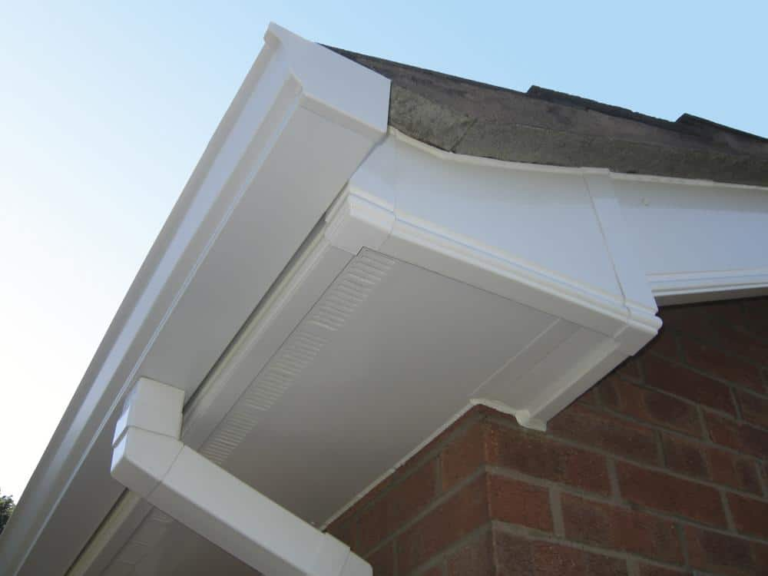
uPVC, or unplasticized polyvinyl chloride, is a type of plastic commonly utilized in structure applications due to its resilience, flexibility, and resistance to ecological components. Fascias are the board that runs horizontally along the roofing’s edge, generally positioned underneath the roofing system’s edge and above the eaves. They function as a support for the lower edge of the roofing system and help in the mounting of the gutter system.
Secret Functions of uPVC Fascias:
- Structural Support: They offer stability to the roof’s structure.
- Aesthetic Appeal: Available in numerous designs and colors, uPVC fascias improve the structure’s exterior appearance.
- Water Management: By working as a part of the gutter system, they help carry rainwater far from the home.
- Pest Barrier: They assist avoid insects and birds from nesting under the roofline.
Benefits of uPVC Fascias
uPVC fascias have actually gotten appeal over conventional wooden fascias due to many advantages:
1. Toughness
uPVC is resistant to decay, rot, and warping, making it a lasting solution for fascias that can endure severe weather conditions.
2. Low Maintenance
Unlike wood, which needs routine painting and sealing, uPVC fascias are practically maintenance-free. A basic wash with soap and water is typically all that is needed to keep them looking brand-new.
3. Cost-Effectiveness
Although the initial cost might vary, the general lifespan and very little maintenance requirements of uPVC make them a more economical alternative in the long run.
4. Visual Versatility
uPVC is offered in a wide variety of colors and surfaces, including wood textures. This adaptability permits house owners to choose fascias that match their current architecture.
5. Ecological Resistance
uPVC is resistant to ultraviolet light, guaranteeing that colors stay steady in time, while also being impervious to severe temperature levels, wetness, and insects.
Comparison of uPVC Fascias with Other Materials
To get a much better understanding of the advantages of uPVC fascias, let’s compare them with 2 other common products: wood and aluminum.
| Feature | uPVC | Wood | Aluminum |
|---|---|---|---|
| Sturdiness | High | Moderate | High |
| Maintenance | Low | High (requires painting and sealing) | Moderate (periodic cleansing) |
| Cost | Moderate | Moderate to High | Moderate to High |
| Aesthetic | Flexible | Traditional, but limited by maintenance | Sleek, contemporary |
| Environmental Resistance | Outstanding | Poor (can rot and warp) | Excellent |
| Installation | Easy | Moderate | Easy |
Installation of uPVC Fascias
Materials Required:
- uPVC fascia boards
- Gutter system
- Fascia brackets
- Screws or nails
- Protective gloves
- Measurement tools
- Saw (for cutting)
- Level
Step-by-Step Installation Process:
- Measure the Area: Accurately determine the length of the roofing system edge where the fascia will be set up.
- Cut the Boards: Using a saw, cut the uPVC boards to the required length.
- Connect Brackets: Secure the fascia brackets to the rafters at regular intervals, guaranteeing they are level.
- Fit the Fascia Boards: Slide the cut uPVC boards into the brackets and secure them utilizing screws or nails.
- Install the Gutter: Attach the guttering to the installed fascia for water management.
- End up Up: Ensure everything is safe and neat up the workspace.
Maintenance of uPVC Fascias
While uPVC fascias require minimal maintenance, routine checks are still necessary to ensure their longevity:
- Regular Cleaning: Wipe the fascias down with a moist fabric and moderate detergent to remove dirt and particles.
- Evaluation: Periodically examine for any indications of damage or discoloration.
- Check Gutters: Ensure that the guttering system is clear of obstructions to avoid water damage.
Regularly Asked Questions (FAQs)
1. The length of time do uPVC fascias last?uPVC fascias can last up to 20 years or more when installed and kept effectively.
2. Can I paint uPVC fascias?While it is possible to paint uPVC, it is not typically needed. If you want to change the color, it’s best to replace them instead of painting.
3. Are uPVC fascias environmentally friendly?uPVC is recyclable, and lots of producers have started utilizing recycled products in their production, making it a more sustainable choice.
4. How do I know if I need to change my fascias?Signs that you require to change your fascias consist of visible rot or damage, sagging, or a visible drop in your roofline structure.
5. Can I install uPVC fascias myself?Yes, if you are comfortable with DIY projects and have standard tools, you can set up uPVC fascias yourself. However, working with a professional is suggested for those not familiar with roof structures.
uPVC fascias have actually become a necessary component for homeowners and home builders, integrating functionality, sturdiness, and visual appeal. With minimal maintenance requirements and cost-effectiveness, they represent a modern-day service to roof requirements. Comprehending their advantages and installation procedures can assist homeowners make informed choices for their residential or commercial properties. Whether refurbishing an existing home or building a brand-new one, uPVC fascias benefit consideration for their many benefits in maintaining roofing system stability and boosting visual appeal.